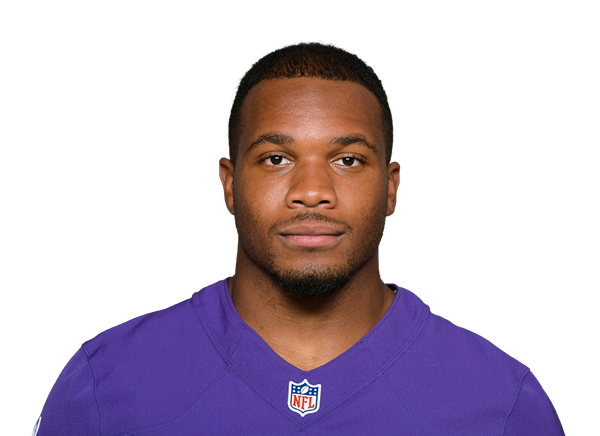
J.K. Dobbins posted a season-high 20 touches against the Chargers in Week 5 — 18 carries and two receptions for 68 rushing yards, six receiving yards, and his first touchdown of the season. That workload is a meaningful jump from the 13.8 touches per game he had averaged through the first four weeks, and it arrives after a stretch in which questions about his health and his role had both been building. The touchdown ends an early-season drought; the touch count is the more interesting number.
The question is whether Week 5 reflects a changed role or a single good game inside a committee that has not actually resolved. The honest answer sits closer to the second option, with real reasons to think the workload could trend the right direction from here.
A Lost 2025 and a New Contract
Dobbins missed the final seven games and the playoffs of the 2025 season with a foot injury, which makes his 2026 return a fresh evaluation rather than a continuation of old form. Denver still valued him enough to re-sign him in March 2026 on a two-year deal reportedly worth $20 million, including $8 million fully guaranteed at signing. That contract bought him the starting job on paper. It did not buy him an uncontested workload — Denver's own plan, by its own design, was to split carries with a second-year back and develop a rookie behind both of them. The money said he mattered. The depth chart said he would have to share.
What has not changed is the quarterback. Bo Nix remains Denver's starter, and nothing in the backfield competition traces back to a shift at that position. What has changed, and matters more for touch volume, is who calls the plays.
Harvey, Coleman, and a Play-Caller Change
RJ Harvey is the direct competition, and the evidence through Week 4 favored him, not Dobbins. Harvey out-snapped Dobbins 29 to 21 in that game and recorded more touches. Across the season to that point, Dobbins held a 39.5% snap share against a 3.2% target share — the profile of a early-down ball-carrier, not a three-down back. Harvey, now in his second NFL season, is the more complete threat in that backfield, and our own board reflects it: he ranks ahead of Dobbins among all backs. Any case for Dobbins has to account for him directly, and it does — Harvey remains the passing-down answer and the long-term plan in Denver, which caps Dobbins's ceiling even on his best weeks.
Jonah Coleman, drafted in the fourth round in 2026, adds a third body to the room and competes for carries and potential receiving work, though nothing in his usage to date suggests he has displaced either veteran. The bigger structural change sits with the coaching staff. Sean Payton promoted Davis Webb from quarterbacks coach to offensive coordinator in February 2026 and initially gave him play-calling duty, a departure from Payton's prior arrangement. After Denver started 2-2, Payton reclaimed the play-calling himself while Webb stayed on as coordinator. A play-caller reasserting control mid-season is often a signal of dissatisfaction with how the offense, including its run usage, had been functioning — and Dobbins's 20-touch Week 5 came after that change took effect.
“It's early, but he's an important piece to what we're doing.”
— Sean Payton
Payton's comment is not a promise of a workhorse role. It is, at minimum, confirmation that the coaching staff has not moved on from Dobbins despite the early-season numbers and the Harvey competition.
The Case Against Trusting the Breakout
The strongest argument against adding Dobbins is the season-long trend, not the one good game. Through four weeks he averaged 11.5 carries and 1.0 target per game, with 161 rushing yards on 46 carries — a 3.5 yards-per-carry average that reflects a limited, early-down role rather than one trending toward every-down usage. Harvey out-snapped him as recently as Week 4. Dobbins also carries a real injury history: a training-camp soft-tissue issue and an in-season hamstring/hip concern preceded the Week 5 breakout, on top of the foot injury that ended his 2025 season. A back with that profile, in a backfield that already includes a more explosive, better-ranked second-year player and a rookie Denver drafted specifically to add competition, is not an obvious bet to hold a workhorse role even if Week 5 looked the part.
The answer to that case is not to dismiss it — it is accurate. The answer is that Week 5's 20 touches happened under the same coaching staff that just took play-calling back into its own hands, and it happened with Dobbins himself saying he felt right. Asked directly about his health, he said, "Yeah, I'm healthy. I'm healthy. I mean, I'm out there playing." He added a line about playing well regardless of how he feels physically, which reads less like bravado and more like a back trying to hold a job he knows is not guaranteed.
The Waiver Claim on Dobbins
The fair read is a downgrade from the original thesis, not an abandonment of it. Dobbins has not usurped the lead role in any way the evidence supports — Harvey remains a legitimate threat to out-snap him on a given week, and Coleman adds a third name to a crowded room. But a 20-touch, first-touchdown performance under a play-caller who just reasserted control of the offense is real signal, not noise, and it is enough to make Dobbins a streaming flex option in weeks he draws a similar workload. He belongs on the waiver wire in any format that rewards touch volume, with the expectation managed as a committee back whose role can swing week to week rather than a fixed weekly RB2. Claim him for the upside Week 5 showed. Do not bench a healthy RB2 to start him on that evidence alone.