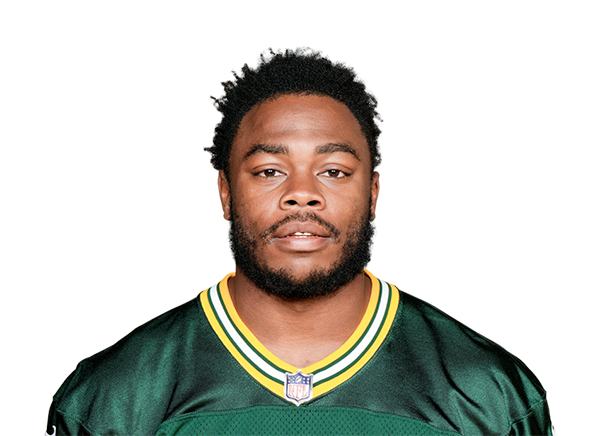
Emanuel Wilson's touch count has moved in one direction since Week 2, and the fantasy market has not caught up. He is averaging the most carries on his own team over a three-game stretch, he scored twice in Week 4 on 21 carries and three catches, and he is doing it while two players listed ahead of him on Seattle's own depth chart are sidelined. The case for Wilson right now is not about talent projection. It is about who is actually touching the ball, and that answer has been Wilson for three straight weeks.
The refined version of the bull case matters here. Calling him a lock for a top-15 finish by season's end overstates what a crowded Seattle backfield guarantees. What the evidence supports is narrower and still actionable: Wilson is a legitimate weekly flex as long as Zach Charbonnet and Jadarian Price remain out, and if that lasts into November, a top-20 finish becomes realistic. That is a different claim than the preseason price reflected, and it is the one worth acting on now.
Charbonnet, Price, and the Depth Chart Wilson Actually Inherited
Seattle's backfield did not hand Wilson this job by design. By late September, the team's own depth chart had Jadarian Price listed as the starter, with Wilson second, George Holani third, and Zach Charbonnet fourth. That is a crowded rotation, not a lead-back role. What changed the math was injury, not merit on paper: Seattle opened Charbonnet's practice window October 1 while he continues rehabbing a knee issue, and the next day Price was ruled out for Week 4 with a chest injury. That is how Wilson, nominally the second or third option in September, ended up taking the first running back reps in pregame warmups before Week 4 and then handling 21 of Seattle's 28 running back carries and four of five running back targets in that game.
The backfield environment is further complicated by why Seattle needed a veteran addition at all. Kenneth Walker III departed in free agency on a three-year, $43.05 million deal with Kansas City, which is what opened meaningful touches in Seattle's run game in the first place. Wilson signed a one-year deal worth up to $2.1 million in March and was framed as a power-back addition to that room, not as a direct Walker replacement expected to replicate explosive production. On offense, Sam Darnold remains the starting quarterback, a continuation rather than a change. The bigger shift is at play-caller: Klint Kubiak left to become head coach in Las Vegas, and Brian Fleury was hired as offensive coordinator in February. A new play-caller installing his own run-game principles in year one adds uncertainty to exactly how big a role any single back keeps once the depth chart is healthy again.
The Volume Is Already Real, Not Projected
The strongest piece of evidence for Wilson is that none of this requires projection. Through three games entering Week 4, he led Seattle in carries with 32, and his 21-carry, 92-yard performance against Arizona in Week 2 was his best output before the Chargers game raised the bar again. In Week 4 he posted 21 carries for 81 yards and a touchdown on the ground, added three catches for 39 yards and another score, and that workload came with the receiving work attached, not just inside-the-tackles volume. A back getting 21 touches and goal-line work in the same game is being used like a lead back, regardless of what the depth chart said in September.
The Market Still Hasn't Priced the Change
If the role were already reflected in roster rates, this would not be a usage story worth writing. It is not reflected. One fantasy report put Wilson's Yahoo roster rate at just 16 percent as of October 2, after he had already led his team in carries for three weeks. Another market snapshot found no meaningful ADP consensus on him at all heading into the season. That gap between usage and ownership is the entire thesis: the workload has moved, the public evaluation has not, and the window to add him before his roster rate catches up is open right now rather than six weeks from now.
The Efficiency Objection, and Why It Doesn't Kill the Case
The honest counter-argument is efficiency, not opportunity. Before the Chargers game, Wilson was averaging just 3.4 yards per carry, and one report cited a 40.6 percent success rate, numbers that suggest a grinder getting volume more than a back creating explosive plays on his own. Layer onto that the structural risk: Charbonnet is rehabbing a knee injury and could reclaim touches once activated, and Price's return from his chest injury would further crowd a split that was already a four-man rotation in September. A manager could reasonably argue Wilson is a short-term injury fill-in whose per-carry numbers will look exactly like a committee back's numbers once the depth chart is whole.
That argument is fair, and it is the reason the claim here is framed around sustained usage rather than a guaranteed finish. But it does not erase what already happened in Week 4. A 3.4 yards-per-carry back does not get fed 21 carries and four of five running back targets in a close, meaningful win unless the coaching staff trusts him with the job in the moment. Volume at that level tends to produce usable fantasy weeks even when the per-touch efficiency is mediocre, and Wilson's receiving work, four targets in a single game, gives him a goal-line and passing-down floor that a straight committee runner would not have. The efficiency concern argues against him being a true difference-maker. It does not argue against him being rosterable right now.
What to Do With Wilson Before the Depth Chart Resets
The practical move is to treat Wilson as a buy for this specific window rather than a season-long lock. He is a worthwhile add in any format given a 16 percent roster rate against a three-week lead in team carries, and he belongs in flex consideration for as long as Charbonnet is unactivated and Price remains out. The variable to track is simple: watch Seattle's practice reports for when Charbonnet comes off his rehab window and whether Price returns from injured reserve. If both stay out another month, the top-20 or better outcome gets realistic. If either returns healthy, Wilson reverts toward the committee role the September depth chart described, and the value drops with it. Either way, the time to have him rostered is now, while the price still reflects the player he was in September rather than the one who just led his team in carries three weeks running.